Chef with Cooking Utensils Redwork Review
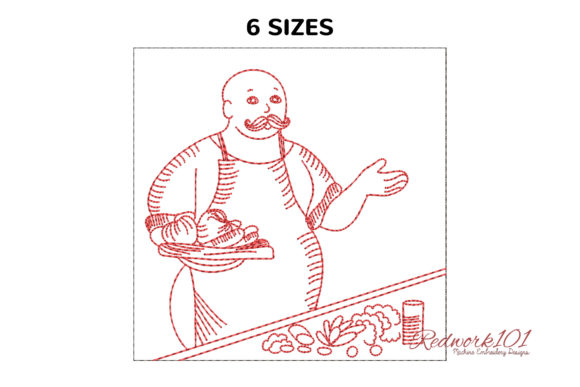
As an embroidery designer constantly scouting for designs that bridge the gap between whimsical charm and commercial viability, I recently pulled the Chef with Cooking Utinsils Redwork file from Creative Fabrica to evaluate its potential for a new boutique apparel line. In the world of custom apparel, finding a design that works equally well on a heavy fleece hoodie and a lightweight tote bag is rare. This kitchen-themed motif caught my eye immediately for its simplicity and narrative potential. Before committing to a full production run for my online shop, I needed to assess how this machine embroidery design performs across different fabrics, placements, and brand aesthetics.
Visual Personality and Stitching Mood
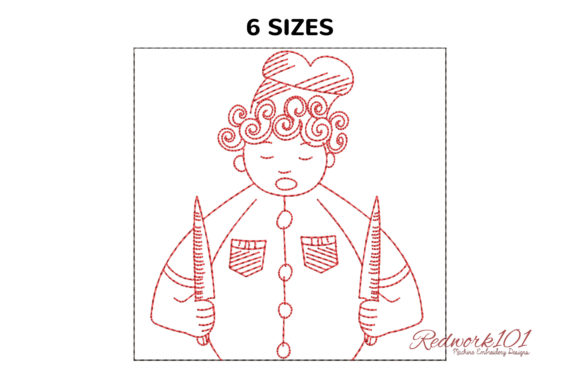
The first thing you notice about the Chef with Cooking Utinsils Redwork is its clean, graphic personality. Redwork styles are inherently nostalgic, often evoking a sense of rustic farmhouse decor or classic diner aesthetics. However, when applied to modern streetwear or boutique sweatshirts, this style transforms into something trendy and minimal. The design relies on outline stitching rather than dense fill areas, which gives it a light, airy feel. This is crucial for apparel decorators because heavy fill stitches can make a garment feel stiff or uncomfortable against the skin.
The visual mood here is playful yet professional. It strikes a balance between "cute" and "bold," making it versatile for various target audiences. Whether you are targeting foodies, culinary students, or anyone who loves a good home-cooked meal, this embroidery file communicates warmth. The lack of complex shading means the design reads clearly even from a distance, which is essential for social media graphics and lifestyle product photos where clarity drives engagement.
Applying the Design to Boutique Collections
Imagine launching a small collection centered around comfort and creativity. The Chef with Cooking Utinsils Redwork shines in several specific applications:
- Sweatshirt Embroidery: On neutral-colored crewnecks, this design acts as a perfect left-chest accent. The open stitching allows the fabric texture of the fleece to show through, maintaining the cozy hand-feel customers expect from premium sweatshirts.
- Hoodie Design: For oversized hoodies, consider placing the design slightly larger on the back yoke or centered on the chest. The redwork style prevents the garment from becoming too heavy or distorted, a common issue with dense digital embroidery files on thick materials.
- Tote Bag Design: Canvas totes are a staple for handmade product sellers. This kitchen motif is naturally suited for grocery or market bags. The outline stitch holds up well on woven canvas without sinking into the fabric weave.
- Denim Jackets: The contrast of red or traditional blue thread against dark denim creates a striking visual. This is an excellent option for creating unique, one-off pieces for Etsy listings that stand out in search results.
When planning your printable mockup strategies, remember that the simplicity of this design allows it to pair beautifully with typography. You can easily add a custom brand name or a witty slogan below the chef motif to create a cohesive finished product.
Technical Considerations for Apparel Decorators
While the aesthetic appeal is high, successful commercial embroidery requires technical precision. The product description notes that "The Box Stitch shown in picture is optional." This is a vital detail for production planning. If you are embroidering on stretchy fabric like jersey knits or ribbed cuffs, skipping the outer box stitch is often the smarter choice. A continuous rectangular border can restrict the natural stretch of the fabric, leading to puckering or discomfort for the wearer.
Furthermore, the description mentions that the color of the outer box varies in other designs unless it is part of the design itself. This flexibility allows you, the creator, to customize the thread colors to match your boutique brand palette. However, before running a full batch, you must adhere to these practical designer notes:
- Test on Scrap Fabric: Always stitch out the design on a scrap piece of the exact garment material you intend to use. This confirms how the stitch density interacts with the fabric texture.
- Stabilizer Choice: For knit garments like hoodies and t-shirts, a cut-away stabilizer is usually recommended to provide long-term support for the embroidery. For woven items like tote bags or denim, a tear-away may suffice.
- Thread Color Contrast: Since this is a redwork-style design, thread choice is paramount. Ensure your thread colors pop against the garment color. Dark garments may require a lighter thread shade or a satin stitch border if the outline gets lost.
- Confirm Hoop Size: Although the design appears compact, always verify the required hoop size in the file details on Creative Fabrica to ensure it fits your machine's capabilities without re-hooping.
Elevating Brand Identity and Buyer Trust
In the competitive landscape of small shop products, consistency is key to building buyer trust. Using a high-quality machine embroidery design like Chef with Cooking Utinsils Redwork contributes to a professional presentation. Customers can instantly distinguish between a cheap, printed transfer and a textured, stitched emblem. This tactile quality increases the perceived value of your apparel, allowing you to command higher price points.
Moreover, this design supports visual consistency across a product line. You can use the same motif on aprons, oven mitts, and apparel, creating a recognizable brand identity. When customers see that same chef icon on your Instagram posts, your website, and the physical product they receive, it reinforces brand recognition. For an Etsy seller or creative entrepreneur, this kind of cohesion turns a single purchase into a loyal following.
Final Verdict for Creative Entrepreneurs
The Chef with Cooking Utinsils Redwork is a robust addition to any digital embroidery file library, particularly for those focusing on kitchen-themed or lifestyle collections. Its strength lies in its adaptability; it looks just as at home on a pastel hoodie as it does on a rugged work shirt. However, success depends on respecting the limitations of the fabric. Be mindful of curved surfaces and areas prone to wrinkling. Always review the licensing terms on Creative Fabrica before selling finished apparel to ensure you are compliant with commercial embroidery regulations.
By paying attention to stabilizer choices, thread contrast, and placement options, you can transform this simple outline into a premium feature that defines your collection. Whether you are a seasoned embroidery shop owner or a crafter launching your first handmade product line, this design offers the versatility needed to create standout pieces in today's market.