Hat of the St.Patrick: A Designer's Review for Spring Projects
As an embroidery designer who spends countless hours digitizing and stitching out designs for clients, I approach every new machine embroidery design with a critical eye. When I stumbled upon Hat of the St.Patrick on Creative Fabrica, my immediate thought wasn't just about the holiday; it was about utility. Can this applique design hold up under the scrutiny of a paying customer? Does it have the versatility to move beyond a simple iron-on patch and become a centerpiece for a high-end handmade product? After reviewing the file details and visualizing its application on various substrates, here is my honest evaluation of whether this asset belongs in your digital library.
First Impressions: Visual Mood and Stitching Personality
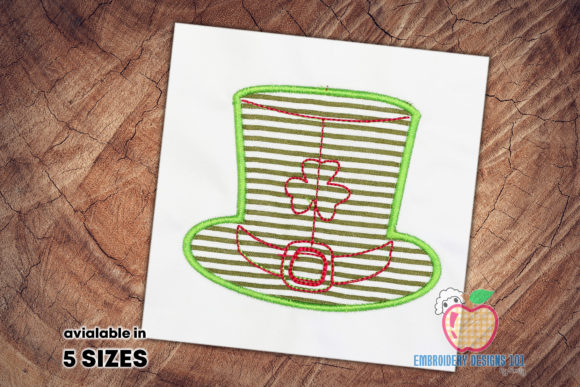
The first thing that strikes me about Hat of the St.Patrick is its classic, festive charm without being overly cartoonish. In the world of St Patrick S Day Embroidery, there is often a fine line between cute and childish. This design leans towards a traditional aesthetic that appeals to a broader demographic, from toddlers to adults looking for subtle seasonal flair. The separation of steps by color change suggests a well-organized digital embroidery file, which is crucial for maintaining workflow efficiency in a commercial setting.
Visually, the design relies heavily on the interplay between the base fabric and the applique material. This technique adds texture and depth that flat stitching simply cannot achieve. The potential for using felt, twill, or even leather scraps as the applique layer gives this design a rugged, boutique quality. For a designer, this means the final look is partially in your hands; you can dictate the mood by choosing a matte cotton for a soft baby item or a shiny satin for a more formal accessory.
Real-World Application: From Caps to Tote Bags
When considering where to place Hat of the St.Patrick, the possibilities for custom apparel and home goods are extensive. Because it is an applique, it naturally suits items that benefit from added dimension. Here is how I see this design performing in real projects:
- Caps and Headwear: As the title implies, this is a natural fit for headwear. However, stitching on a curved cap surface requires precision. The applique nature helps here, as it reduces the total stitch count compared to a full fill, minimizing puckering on the structured front panel of a baseball cap.
- Tote Bag Design: Canvas tote bags are staples for craft fairs. This design would look exceptional centered on a natural cotton tote, perhaps paired with a complementary satin stitch border to frame the applique.
- Sweatshirt Embroidery: For sweatshirt embroidery, the thickness of the fleece provides a great backdrop. The key here is using a robust stabilizer to prevent the heavy fabric from shifting during the tack-down stitches.
- Kitchen Towels and Aprons: Seasonal kitchen decor sells quickly in March. Applying this to a waffle-weave towel adds a touch of handmade warmth that machine-only fills sometimes lack.
- Embroidered Patch: If you stitch this onto twill and cut around the edge with a hot knife, you create a standalone patch. These can be sold separately or used to upgrade denim jackets and backpacks.
Technical Considerations for Professional Results
While the design looks promising, a professional review must address the technical challenges. Applique designs involve multiple stops for fabric placement and trimming. With Hat of the St.Patrick, the steps are separated by color changes, which is standard, but it demands attention during the stitching process.
Fabric Selection and Stabilization
Working with textured or stretchy fabrics requires careful planning. If you are applying this to a stretchy jersey knit for a t-shirt, a cut-away stabilizer is non-negotiable to maintain shape after washing. For woven fabrics like linen or canvas, a tear-away might suffice, but I always recommend testing on scrap fabric first. The density of the fill stitch surrounding the applique needs to be checked against your specific thread tension settings.
Thread Colors and Contrast
The success of an applique design often hinges on contrast. Since the design allows you to choose the applique fabric, you have control over the color palette. However, the thread colors specified in the embroidery file should be reviewed. On dark fabrics, ensure the tack-down stitches are visible enough to secure the fabric but not so bright that they distract from the overall image. Always compare light and dark fabric mockups before committing to a production run.
Hoop Size and Placement
Before downloading, confirm the hoop size requirements listed on the product page. While many modern machines handle standard hoops easily, placing a design on a curved cap or a small pocket requires verifying that the design fits within the available stitching area without hitting the hoop frame.
Enhancing Product Value and Brand Consistency
For Etsy sellers and boutique owners, the perceived value of a product is tied to its presentation. Hat of the St.Patrick offers a level of sophistication that can elevate a basic item into a premium personalized gift. The texture of the applique catches light differently than flat stitching, making it highly photogenic for product listings. High-quality photos of textured embroidery often lead to higher customer engagement and trust.
Using consistent design assets like this across a collection—say, matching aprons, oven mitts, and tote bags—creates brand consistency. It tells the customer that you curate your offerings rather than just throwing random designs on blanks. Furthermore, because applique is durable and withstands frequent washing better than dense satin columns, it enhances the longevity of the finished product, leading to better reviews and repeat business.
Final Verdict for Commercial Use
Is Hat of the St.Patrick worth adding to your collection? For designers looking to expand their St Patrick S Day inventory with something that feels handmade and high-quality, the answer is yes. It bridges the gap between quick digital downloads and labor-intensive hand-crafting.
However, as with any commercial embroidery project, due diligence is required. Before selling finished items, you must inspect small details after a test stitch-out. Check the edges of the applique to ensure they are fully covered by the finishing stitch to prevent fraying. Most importantly, review the licensing terms on the Creative Fabrica product page. Ensure that the license covers the volume of production you intend to undertake, especially if you plan to sell hundreds of units.
In conclusion, this design is a versatile tool for the creative entrepreneur. Whether you are creating a one-off personalized gift for a family member or stocking up for a spring craft fair, Hat of the St.Patrick provides a solid foundation for professional results. Just remember to respect the materials, choose your stabilizers wisely, and let the texture of the applique do the heavy lifting in your design presentation.