Review: Christmas Gingerbread House Redwork Design
As an embroidery designer who spends countless hours testing files before they ever touch a customer's fabric, I approach every new machine embroidery design with a critical eye. Recently, I had the opportunity to test the Christmas Gingerbread House Redwork for a potential line of personalized holiday gifts. In the world of handmade goods, first impressions are everything, and this design immediately struck me with its nostalgic charm. Redwork, characterized by its single-color stitching, offers a timeless aesthetic that feels both vintage and modern simultaneously. The mood of this specific file is undeniably sweet and seasonal, evoking memories of old-fashioned Christmases without feeling cluttered or overly busy.
The Aesthetic Appeal and Emotional Connection
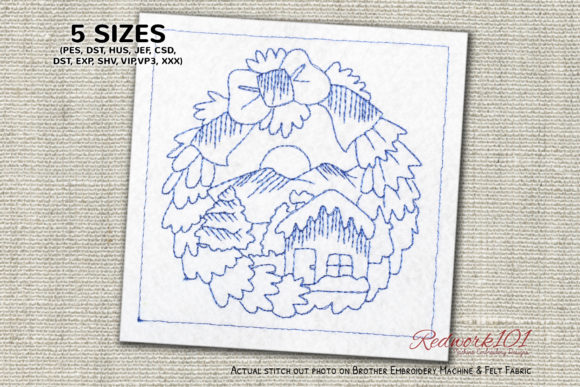
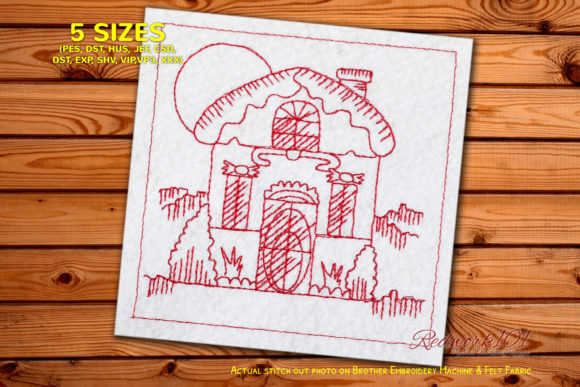
When I loaded the digital embroidery file onto my machine, the simplicity of the redwork style stood out. Unlike dense satin stitch designs that can sometimes look heavy on lighter fabrics, this gingerbread house relies on clean lines and open space. This makes it incredibly versatile. The emotional appeal here is strong; it speaks to customers looking for a handmade product that feels authentic rather than mass-produced. For a small shop owner or an Etsy seller, this kind of design is gold because it translates well into photography. The contrast of red thread against cream or white fabric creates a stunning visual that stops the scroll on social media feeds.
The design feels playful yet elegant. It avoids the cartoonish exaggeration found in some holiday files, opting instead for a more classic silhouette of a gingerbread home. This balance allows it to cross demographic lines. It is suitable for a child's item but sophisticated enough for adult home decor. When planning a personalized gift shop inventory, having a design that bridges these gaps is essential for maximizing sales potential during the hectic holiday season.
Versatility Across Product Categories
One of the strongest aspects of the Christmas Gingerbread House Redwork is its adaptability. During my review, I envisioned this design on a wide array of substrates. For baby embroidery, imagine this stitched onto a soft muslin swaddle blanket or a nursery wall hanging. The lack of dense underlay makes it gentle against sensitive skin, provided the back is properly finished. It would also be delightful on a linen apron, turning a standard kitchen tool into a festive heirloom.
For those creating wedding gift items or family keepsakes, this design works beautifully on tea towels and pillow covers. A set of embroidered towels featuring this gingerbread motif makes for a thoughtful hostess gift. Furthermore, because redwork uses a single thread color, it is cost-effective for production runs. You do not need to stop the machine to change cones constantly, which increases efficiency for commercial embroidery operations. Whether you are making a custom tote bag for a craft fair or a limited run of holiday ornaments, this file serves as a reliable foundation for a finished product that customers will cherish.
Technical Considerations and Fabric Challenges
While the design is beautiful, practical application requires attention to detail. As with any redwork file, the integrity of the lines is paramount. When working with textured fabric, such as a waffle-weave towel or a thick terry cloth, one must be cautious. The simple running stitches can sometimes get lost in high-pile textures. I strongly advise testing on scrap fabric that matches your intended material before committing to a full production run.
Fabric texture plays a huge role in the final outcome. On smooth cotton or linen, the details pop. However, on stretchy baby clothes, stability is key. You must use the proper stabilizer to prevent puckering, which can distort the straight lines of the house. Additionally, consider the stitch density. While redwork is generally light, if the file has been scaled down too much for a small pocket or cuff, the delicate details might merge together. Always check small details after stitching a test sample.
Another crucial factor is the choice of fabric color. While redwork traditionally implies red thread on white fabric, this design can look striking on dark fabric if you switch to a light or metallic thread. However, you must confirm thread color contrast to ensure visibility. If you are using dark fabric, ensure your stabilizer is also appropriate so it doesn't show through the sparse stitching. Regarding the specific note about the box stitch: the description mentions the outer box is optional and often a different color. In a redwork context, skipping this color simplifies the process, but you should verify if removing it alters the structural balance of the design.
Enhancing Perceived Value and Trust
In the eyes of a buyer, the quality of embroidery directly correlates to the perceived value of the item. A clean, crisp execution of the Christmas Gingerbread House Redwork signals professionalism. It builds customer trust. When a client receives a personalized towel or a blanket embroidery piece where the lines are sharp and the tension is perfect, they are more likely to return for future orders. This design aids in buyer engagement because it tells a story of warmth and home.
For digital product sellers offering this as a downloadable file, providing a high-quality printable mockup is vital. Show the design on various items like aprons, pillows, and totes to help the customer visualize the potential. Explain clearly that the hoop size must be checked against their machine capabilities, as I cannot confirm the exact dimensions without seeing the specific file specifications. Always advise your customers to check commercial licensing terms before selling finished products made from digital files.
Final Thoughts for the Professional Maker
Ultimately, the Christmas Gingerbread House Redwork is a standout choice for the upcoming holiday season. It balances tradition with practicality. For the small shop product lineup, it offers a low-risk, high-reward option due to its speed of stitching and broad appeal. Just remember to respect the limitations of the medium. Do not force intricate details onto unsuitable fabrics, and always prioritize the longevity of the item by selecting high-quality threads and stabilizers.
If you are looking to expand your catalog with items that feel cozy and inviting, this design is a contender. Whether it ends up on a wedding registry item or a simple kitchen accent, it carries the weight of a genuine custom embroidery piece. Before launching your listings, ensure you have reviewed all technical specs provided by the designer, particularly regarding the optional box stitch and color separations. With careful planning and execution, this design can become a staple in your holiday collection, bringing joy to your customers and efficiency to your workflow.