Review: Green Anchor Hook Applique for Boutique Apparel
As an embroidery designer constantly scouting for unique assets to elevate my boutique collections, I recently took a close look at the Green Colored Big Anchor Hook Applique available on Creative Fabrica. When you are building a cohesive line of custom apparel, every design element needs to pull its weight in terms of aesthetic appeal and technical reliability. This specific machine embroidery design caught my eye immediately because it bridges the gap between nautical tradition and modern streetwear trends. For those of us running small clothing brands or Etsy shops, finding a design that feels premium yet versatile is often the hardest part of the product development cycle.
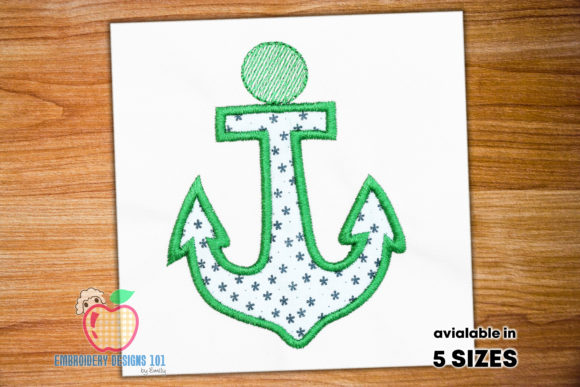
My first impression of this embroidery file was defined by its bold visual personality. The "Big Anchor" concept suggests a statement piece, and the choice of green adds a layer of sophistication that moves away from the standard navy or black anchors we see everywhere. It feels less like a generic beach souvenir and more like a curated graphic for a lifestyle brand. The applique style implies texture and depth, which is crucial for creating high-value finished products. In a market saturated with flat prints, the tactile quality of an applique design can significantly increase perceived value, making it an excellent candidate for higher price points on platforms like Etsy or in physical pop-up shops.
Visual Mood and Design Versatility
The aesthetic of the Green Colored Big Anchor Hook Applique is surprisingly adaptable. While the product category is listed under Beach, I see this working beautifully across seasons. The green hue offers a rustic, earthy vibe that pairs exceptionally well with neutral tones. Imagine this design stitched onto a heather grey oversized sweatshirt or a cream-colored fleece hoodie. It creates a cozy, collegiate look that appeals to customers looking for comfortable yet stylish everyday wear. Conversely, on dark apparel like charcoal or black garments, the green pops with a vibrant energy that feels trendy and youthful.
For boutique merchandise, the decorative strength of this design lies in its simplicity. It doesn't rely on tiny, fragile details that might get lost on thick fabrics. Instead, it offers a clean, bold silhouette that reads well from a distance, making it perfect for social media graphics and lifestyle product photos. When planning a collection, visual consistency is key. This anchor motif can serve as a recurring theme across different items—perhaps as a large back design on a denim jacket and a smaller chest placement on a t-shirt—creating a recognizable brand identity for your handmade product line.
Application Scenarios for Custom Apparel
In my hypothetical rollout of a new sweatshirt collection, I would prioritize testing this Green Colored Big Anchor Hook Applique on various garment types to maximize its potential. Here is how I envision it performing across different projects:
- Sweatshirt Embroidery: The weight of a standard cotton-blend sweatshirt provides the perfect canvas for an applique. The fabric is stable enough to support the density of the design without puckering, provided the right stabilizer is used.
- Hoodie Chest Placement: A centered chest logo is a staple for custom apparel. This anchor design is substantial enough to stand alone here, acting as a primary brand mark rather than just an accent.
- Sleeve Accents: For a more subtle approach, scaling down the design (if the license permits) or using it on the sleeve of an oversized hoodie adds a nice detail that encourages closer inspection.
- Tote Bag Design: Canvas tote bags are a huge seller for creative entrepreneurs. The durability of an embroidered applique makes it ideal for bags that will carry heavy loads, ensuring the design lasts as long as the bag itself.
- Denim Jackets: The contrast between the soft texture of the applique and the rugged weave of denim creates a fantastic textural interplay. This is a great option for limited-edition seasonal outfits.
When considering commercial embroidery products, the fact that steps are separated by color changes is a significant advantage. This allows for precise thread management and the opportunity to customize thread colors to match specific brand palettes. Whether you are aiming for a forest green look or a bright lime accent, the separation of steps gives you control over the final appearance of the finished product.
Technical Considerations and Fabric Challenges
While the design is promising, professional judgment requires us to look at the technical hurdles. Applique designs inherently involve multiple layers: the base fabric, the applique material, and the stitching. When working with stretchy fabric or fleece, which are common in hoodie design, one must be extremely careful with stabilizer choice. A cut-away stabilizer is almost always necessary for these materials to prevent the design from distorting over time.
There are specific areas where caution is advised. Placing a large, dense design on ribbed fabric, such as the cuffs or waistbands of a sweatshirt, is generally a bad idea as the ribs can cause the stitching to skip or the fabric to bunch. Similarly, curved surfaces require careful hooping to ensure the stitch density does not cause warping. If you plan to use this on dark garments, ensure your applique fabric is opaque enough so the garment color does not show through, or consider a backing layer.
It is also vital to confirm the hoop size required for this design before purchasing. Large appliques often need larger hoops, and not all home machines accommodate them. Since the product description notes that it comes with multiple embroidery file formats for various machines, compatibility should be broad, but verifying the specific dimensions against your equipment is a non-negotiable step in the workflow.
Enhancing Brand Identity and Buyer Trust
Ultimately, the goal of using a high-quality Green Colored Big Anchor Hook Applique is to enhance your brand identity. In the world of online selling, particularly for Etsy sellers and small shop owners, product recognition drives sales. A distinctive, well-executed embroidery design signals professionalism. It tells the customer that care went into the creation of the item, fostering buyer trust.
Consistent use of such designs across your catalog helps in building a visual language that customers associate with your brand. When a customer sees that specific green anchor, they should immediately think of your shop. This level of professional presentation can turn a one-time buyer into a repeat customer. Furthermore, for those creating printable mockups to list items before they are physically made, having a detailed digital embroidery file allows for realistic rendering, helping to set accurate expectations and reduce return rates.
Designer Notes for Production
Before committing to a full production run, I strongly advise following these practical steps:
- Test on Scrap Fabric: Always stitch out the design on a scrap piece of the exact fabric you intend to use. This reveals how the thread colors interact with the material and whether the stitch density is too high for that specific texture.
- Check Stabilizer Choice: Experiment with different weights of stabilizer to find the balance between support and stiffness.
- Review Thread Color Contrast: Ensure the green thread you select contrasts well with both the applique fabric and the garment base.
- Inspect Stitch Density: Look for areas where stitches might be too close together, which could cause thread breaks or fabric tearing.
- Verify Licensing: Always check the Creative Fabrica product details and licensing terms. Ensure that the license allows for commercial use if you plan to sell the finished apparel.
In conclusion, the Green Colored Big Anchor Hook Applique is a robust asset for any embroidery designer looking to expand their boutique offerings. Its blend of classic imagery with a fresh color palette makes it suitable for a wide range of applications, from cozy winter hoodies to spring tote bags. By paying attention to fabric selection, stabilizer usage, and placement strategy, this machine embroidery design can become a cornerstone of a successful, visually striking apparel collection.