Review: Soap Dispenser with the Soap Applique Design
As an embroidery designer preparing for a busy weekend at the local craft fair, my table needs to tell a story instantly. Shoppers walk by hundreds of booths, and I have mere seconds to catch their eye with a handmade product that feels both useful and charming. Today, I am putting the Soap Dispenser with the Soap Applique under the microscope. This isn't just about stitching; it is about evaluating whether this machine embroidery design has the commercial viability to turn scrap fabric into best-selling inventory for my boutique.
First Impressions and Market Mood
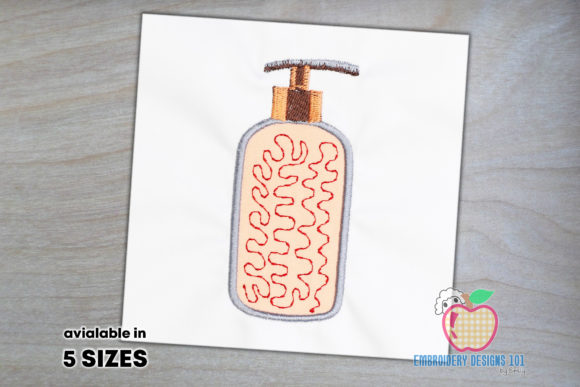
When I first loaded the Soap Dispenser with the Soap Applique onto my screen, the vibe was immediately clear. It leans heavily into a whimsical, functional aesthetic that fits perfectly with modern farmhouse or cozy rustic trends. The concept of embroidering a soap dispenser onto a textile item is clever because it plays with expectation—it is a picture of an object, stitched onto an object. For a craft fair product, this kind of visual pun often stops customers in their tracks. It feels cute yet practical, avoiding the overly ornate look that sometimes alienates buyers looking for everyday utility. The design suggests a soft, welcoming energy, ideal for the Bathroom category but versatile enough for kitchen decor.
Where This Design Shines on Products
The true test of any digital embroidery file is its versatility across different substrates. Here is how I see the Soap Dispenser with the Soap Applique performing on various items for my booth:
- Tote Bags and Market Bags: This is likely the strongest contender. A large-scale version of the design centered on a canvas tote creates an instant statement piece. It transforms a generic bag into a specific "soap carrier" or laundry bag, adding narrative value.
- Apron Embroidery: Placed on the bib of a linen apron, this design becomes a charming badge of honor for the home cook or cleaner. It adds personality without overwhelming the garment.
- Tea Towel Embroidery: For kitchen linens, the applique style adds wonderful texture. However, one must be mindful of the fabric texture; a waffle weave might fight with dense applique details, so a smooth flour sack towel is preferable.
- Embroidered Patches: If the design scales down well, creating iron-on patches allows customers to customize their own jeans or jackets. This appeals to the younger demographic at fairs.
- Pillow Covers: As a focal point on a neutral pillow cover, it serves as affordable home decor. It bridges the gap between Embroidery art and interior design.
Production Practicality for Small Shops
For an Etsy seller or booth owner, time is money. The description notes that steps are separated by color changes, which is standard for multi-color designs. This separation is crucial for batch production. It means I can stitch all the base layers for twenty items before switching threads, streamlining my workflow. However, the success of this small shop product depends on clarity. Does the soap bottle shape read clearly from three feet away? If the details are too tiny, the design loses impact on a crowded display table.
Photography is another critical factor. For online listings, this design needs to pop in a printable mockup or real-life photo. The contrast between the thread colors and the fabric background will determine click-through rates. A white soap dispenser design on a cream towel might look elegant but could get lost in a thumbnail image. High contrast is key for digital sales.
Critical Considerations and Care Notes
While the potential is high, there are technical hurdles to navigate before listing this as a finished product. Applique designs inherently involve layers of fabric and stitching, which increases stitch density. Here are the specific challenges I anticipate:
- Fabric Selection: Thick fabrics like heavy denim or textured towels can cause registration issues if the needle penetrates unevenly. The design might pucker if the stabilizer isn't robust enough.
- Curved Surfaces: If attempting this on caps, the curved surface of the front panel can distort the geometry of the soap dispenser. Straight lines may appear curved unless digitized specifically for hats.
- Small Details: If the design includes tiny lettering or intricate pump mechanisms, these may fill in or disappear when scaled down for patches. Always check the minimum size recommendation.
- Dark Fabrics: Running this design on black or navy fabric requires careful planning. You may need an underlay or a light-colored applique base fabric to ensure the soap dispenser doesn't look muddy.
Maximizing Visual Appeal and Brand Consistency
In a sea of generic floral patterns, the Soap Dispenser with the Soap Applique offers a niche appeal that can strengthen brand consistency. If my booth focuses on "home utility with a twist," this design is a perfect anchor. It signals to the buyer that I pay attention to the mundane objects of daily life and elevate them through craft. This specificity drives buyer engagement; people love buying things that reflect their specific hobbies or household routines.
To ensure the highest quality, I recommend creating at least one real mockup before committing to a full production run. Test the design on scrap fabric that matches your intended inventory. Check the thread colors against your brand palette—do they harmonize? Review the spacing between elements to ensure durability after washing. Most importantly, confirm the hoop size required. If the design is larger than your standard hoop, you will need to plan for re-hooping or invest in a larger frame, which affects your production speed.
Final Verdict for Commercial Use
The Soap Dispenser with the Soap Applique is a strong candidate for commercial embroidery provided the technical details are managed correctly. It comes in multiple embroidery file formats, suggesting compatibility with various machines, which is a relief for designers with mixed equipment. However, since exact stitch counts and license terms are not explicitly detailed in the brief description, it is vital to check those specifics before selling. Ensure you have the right to sell finished goods made from this design asset.
Ultimately, this design succeeds because it is recognizable, fun, and adaptable. Whether used for a tote bag design or a decorative pillow, it brings a touch of humor and utility to the table. For the creative entrepreneur willing to test fabrics and optimize stabilization, this design can be a standout performer in the Bathroom and home goods sector.