Reviewing Collection Quilting Design for Boutique Apparel
As an embroidery designer who spends most of my days digitizing and stitching for boutique brands, I am always on the lookout for machine embroidery design files that offer versatility beyond their intended category. Recently, I came across the Collection Quilting Design on Creative Fabrica. While this product is categorized under Bedroom and typically associated with home decor, my immediate instinct was to evaluate its potential for custom apparel. Specifically, I wanted to see how these intricate patterns would translate to sweatshirts, hoodies, and denim jackets for a small clothing brand.
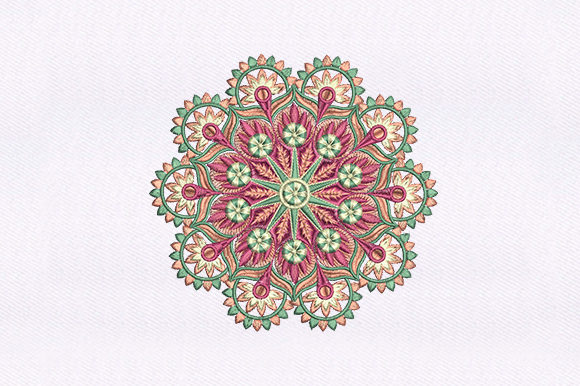
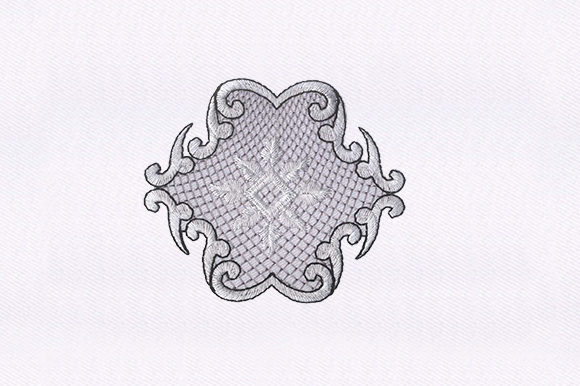
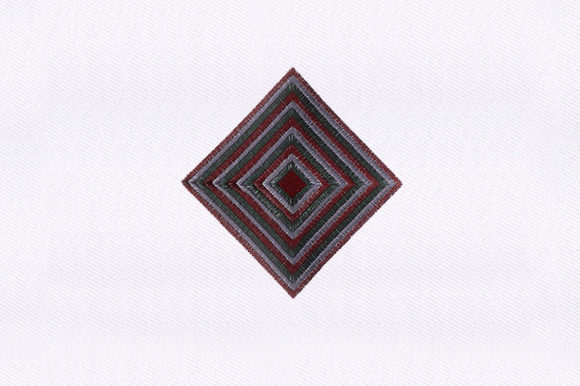
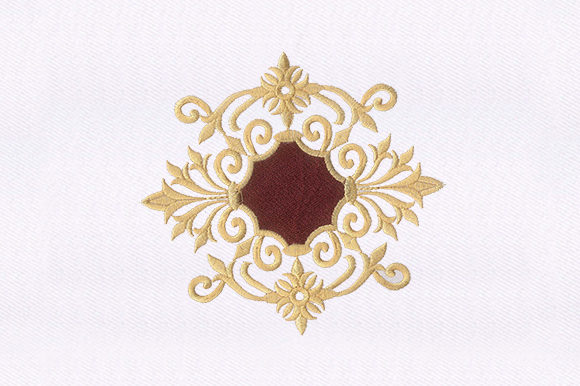
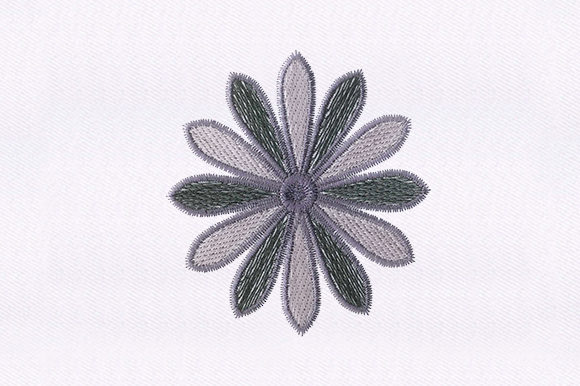
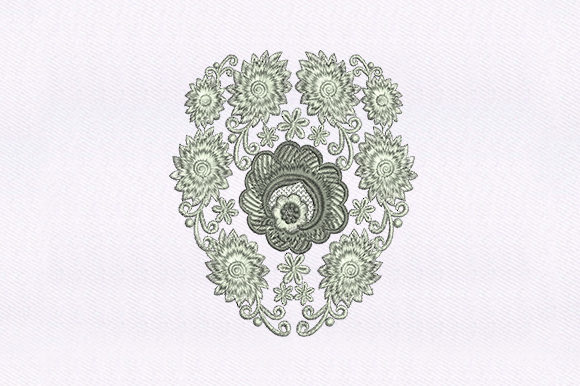
The first impression of Collection Quilting Design is one of textured elegance. Visually, the designs carry a rustic yet premium mood, reminiscent of traditional hand-quilted motifs but rendered with the precision of a digital embroidery file. The detail level is significant, offering a decorative strength that feels both classic and trendy. For a boutique brand looking to elevate basic garments, these designs provide a sophisticated alternative to standard logo placements. They feel less like mass-produced graphics and more like handmade art, which is exactly what modern consumers on Etsy and social media are craving.
Visualizing the Design on Modern Garments
When planning a new collection, context is everything. I imagined placing these quilting-inspired motifs on neutral sweatshirts in oatmeal or charcoal gray. The contrast between the soft fleece texture and the structured stitching of the design creates a beautiful tactile experience. For pastel hoodies, the delicate lines of the pattern add a feminine touch without being overly cute. On dark apparel, such as navy or black oversized garments, using metallic or high-sheen thread colors could make the design pop, turning a simple hoodie into a statement piece.
Beyond sweatshirts, I see immense potential for tote bags and denim jackets. The sturdy nature of canvas and denim can handle the stitch density often found in quilting patterns better than lightweight knits. For lifestyle product photos, imagine a cozy seasonal outfit featuring a jacket with a large back design from this collection. It adds instant visual interest and helps with product recognition. Whether you are creating printable mockups for your online store or staging real-life shoots, the organic flow of these patterns enhances the perceived value of the finished product.
Ideal Applications for Sweatshirt and Hoodie Embellishment
For sweatshirt embroidery, placement is key to maintaining comfort and aesthetics. A smaller version of a motif from Collection Quilting Design works wonderfully as a chest accent on a hoodie. This subtle approach appeals to customers who prefer minimalism. Alternatively, scaling up a pattern for a full-back design can create a bold, artistic look that justifies a higher price point. Sleeve accents are another excellent option; a vertical quilting pattern running down the arm adds a unique detail that sets your small shop product apart from big-box retailers.
T-shirt embroidery requires a bit more caution due to the lighter fabric weight, but with the right stabilizer, these designs can add a vintage flair to heavyweight tees. For Etsy sellers and creative entrepreneurs, using these designs on limited-run collections can drive buyer trust. When customers see consistent, high-quality stitching that looks professional, they are more likely to engage with your brand and return for future purchases. The visual consistency provided by using a cohesive set of designs helps build a strong brand identity.
Technical Considerations for Apparel Decorators
While the aesthetic potential is high, practical execution requires careful planning. Quilting designs often feature dense stitch areas, which can be challenging on stretchy fabrics like fleece or ribbed cuffs. Before committing to production, it is crucial to test on scrap fabric that matches your garment material. You must verify the hoop size required for the specific motif you choose, as larger patterns may need re-hooping or specialized frames.
Stabilizer choice is paramount. For heavy fleece or hoodies, a cut-away stabilizer is usually recommended to prevent the design from sinking into the fabric over time. On curved surfaces or areas that may wrinkle, such as the shoulder seam, extra attention to hooping tension is necessary to avoid puckering. If you plan to use tiny lettering within the design, ensure the resolution holds up on the specific fabric texture you are using. Dark garments may require a topping to prevent the fabric from showing through the stitches, especially if the design has open spaces.
File Formats and Machine Compatibility
One of the strengths of purchasing from Creative Fabrica is the variety of formats provided. The Collection Quilting Design includes a comprehensive list of file types: 10O, ART, CND, DSB, DST, DSZ, EXP, HUS, JEF, PEC, PES, TAP, VIP, and VP3. This wide compatibility ensures that whether you are running a single-needle home machine or a multi-head commercial setup, you likely have a usable format. However, always confirm the specific requirements of your machine before purchase. If you are unsure about the stitch count or exact dimensions, review the product details carefully, as these factors influence production time and thread usage.
Elevating Brand Value Through Strategic Design
Incorporating Collection Quilting Design into your lineup can significantly affect your apparel value. It signals to the customer that thought and artistry went into the creation of the garment. This level of detail fosters buyer trust and enhances professional presentation. For commercial embroidery businesses, offering such unique designs can be a key differentiator in a saturated market. It transforms a basic item into a collectible piece of wearable art.
Before selling any finished apparel, always check the licensing terms on Creative Fabrica. While many files allow for commercial use on physical products, restrictions can vary. Ensuring you are compliant protects your business and maintains your reputation. Additionally, compare placement options on different garment styles to find the sweet spot where the design shines without compromising comfort.
In conclusion, while Collection Quilting Design originates from a bedroom decor category, its application in Embroidery for fashion is limitless. With the right fabric choices, stabilizers, and creative vision, these files can become the cornerstone of a successful boutique collection. By testing thoroughly and understanding the nuances of fabric texture and stitch behavior, you can create stunning, high-value items that resonate with your audience.