Tent of the Circus Design: A Pro Review for Makers
As someone who spends more time staring at stitch simulations than actual sleep, I approach every new machine embroidery design with a mix of excitement and skepticism. We have all been there: you buy a cute file, load it up, and realize halfway through that the density is going to turn your soft cotton into cardboard. That is why I took a close look at the Tent of the Circus Design before committing it to a client project. This isn't just about whether it looks good on a screen; it is about how it performs when the needle hits the fabric.
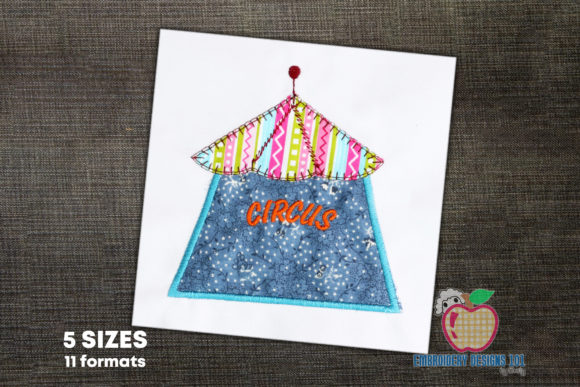
The first thing that strikes me about this embroidery file is its mood. There is a nostalgic, whimsical quality to the silhouette that immediately evokes memories of vintage posters and traveling shows. For a designer, mood is everything. If you are creating a handmade product for a boutique or a personalized gift, the emotional resonance of the image matters just as much as the technical execution. The layout feels balanced, with a clear focal point that draws the eye without feeling cluttered. It has enough detail to be interesting but remains clean enough to read well from a distance, which is crucial for items like tote bags or apparel.
Real-World Application: The Boutique Tote Test
To truly evaluate the Tent of the Circus Design, I imagined a specific real-life scenario. Let's say you run a small shop selling eco-friendly canvas goods. You want to launch a summer collection featuring whimsical, travel-inspired themes. This design fits that brief perfectly. I visualized stitching this onto a heavy-duty canvas tote bag design. The bold lines of the tent structure would hold up beautifully against the texture of the canvas.
However, we need to talk about execution. The description notes that steps are separated by color changes. In a production environment, this is a double-edged sword. On one hand, it allows for crisp definition between the different sections of the tent and the surrounding elements. On the other hand, frequent color stops can slow down your workflow if you are batching orders for an Etsy seller inventory. If you are making one-off personalized gifts, the extra time is negligible. If you are fulfilling fifty orders for a craft fair, you might want to plan your thread trims efficiently.
I also considered how this would look as sweatshirt embroidery. A circus theme pairs wonderfully with cozy, casual wear. Imagine a heather grey crewneck with this design centered on the chest. The key here is ensuring your stitch density doesn't compromise the drape of the garment. While the exact density isn't listed in the provided details, designs with distinct color separations often rely on solid fill areas. Before stitching on a final garment, always test on a scrap piece of similar weight fabric. You want the design to sit on top of the fleece, not sink into it and create a stiff, uncomfortable patch.
Navigating Fabric Challenges and Hoop Constraints
One of the most critical aspects of using any digital embroidery file is understanding where it might fail. The Tent of the Circus Design likely features some pointed peaks and perhaps finer details at the base or flags. These areas require careful attention when working with tricky materials.
- Stretchy Fabrics: If you attempt this on a thin jersey t-shirt, the movement of the fabric during stitching could distort the straight lines of the tent. Using a high-quality cut-away stabilizer is non-negotiable here to maintain shape integrity.
- Textured Surfaces: While great for canvas, highly textured towels might obscure fine running stitches. Ensure the contrast between your thread colors and the fabric is high enough to keep the design legible.
- Curved Applications: Many makers love putting designs on caps. Be cautious. If the tent design is wide, it might not fit comfortably within the curved hoop area without buckling. Check the dimensions against your specific machine's cap hoop capabilities before purchasing.
- Dark Fabrics: The description mentions color changes, which implies a multi-color palette. If you are stitching on black or navy, verify if the design includes an underlay or if you need to manually add one to prevent the dark fabric from showing through lighter thread sections.
It is also worth noting the potential for applique design techniques. Depending on the specific file structure (which varies by vendor), some circus-themed designs work exceptionally well if you swap out solid fill stitches for fabric pieces. This can reduce bulk and add a lovely tactile element to a baby embroidery project, like a nursery wall hanging or a onesie. However, since the provided info specifies color changes rather than applique steps, you would need to modify the file in your editing software if you wish to go that route.
Commercial Viability and Brand Consistency
For the craft business owner, consistency is king. When a customer buys a small shop product, they are buying trust. The Tent of the Circus Design offers a strong visual identity that can help build brand recognition. Whether you are selling holiday embroidery gifts or year-round decor, a cohesive aesthetic helps customers remember you.
Consider the finished product's value. A well-executed embroidery project elevates a basic item into something premium. If you use this design on a simple pillow cover, the intricate color separation can justify a higher price point compared to a plain screen print. The tactile nature of the satin stitch and fill stitch work adds a layer of luxury that digital prints simply cannot replicate. This perceived value is what drives buyer engagement on platforms like Etsy or at local markets.
However, a word of caution regarding licensing. The product description states it can be used in multiple machines and comes in various formats, but it does not explicitly detail the commercial license terms. As a professional, I never assume. Before listing items made with the Tent of the Circus Design for sale, or using it in commercial embroidery projects for clients, you must confirm the licensing agreement. Some designers allow unlimited physical sales but restrict digital redistribution, while others have caps on production numbers. Protecting your business means doing this due diligence upfront.
Final Thoughts on Stitching Success
In conclusion, the Tent of the Circus Design presents itself as a versatile asset for the creative entrepreneur. Its strength lies in its thematic clarity and structural balance. It is not just a graphic; it is a conversation starter. Whether you are decorating an apron for a bakery, creating a unique embroidered patch for a jacket, or designing a line of nursery decor, this file has the potential to shine.
My advice? Treat it with the respect any good tool deserves. Run your tests. Play with your thread colors to see how a monochromatic version looks versus the suggested palette. Check your hoop size limitations. And most importantly, envision the end user holding the finished product. If the design brings a smile to their face and holds up after a wash cycle, then you have found a winner. For those looking to add a touch of vintage charm to their portfolio, this circus-themed motif is definitely worth considering for your next embroidery project.