Unicorn Letter: A Vintage Review for Craft Fair Success
As I set up my booth for the upcoming weekend market, I am constantly evaluating which designs will stop a customer in their tracks. Today, I am reviewing Unicorn Letter, a machine embroidery design that promises an authentic and vintage look. For those of us running small shop products or Etsy seller accounts, the difference between a design that sits on the shelf and one that flies off the table often comes down to immediate visual impact and production practicality. This review breaks down how this specific typography piece performs in the real world of handmade sales.
First Impressions and Aesthetic Appeal
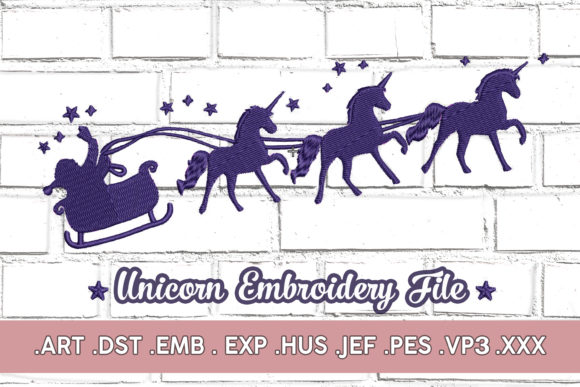
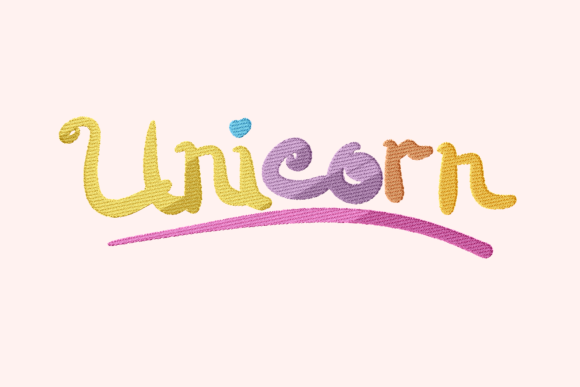
When I first loaded the digital embroidery file to inspect the preview, the Unicorn Letter stood out for its charming blend of whimsy and nostalgia. The description highlights an "authentic and vintage look," and in person, this translates beautifully. It does not feel overly modern or sterile; instead, it carries a soft, decorative quality that fits perfectly within the current trend of farmhouse and rustic aesthetics.
For craft fair sellers, mood is everything. This design feels cute yet elegant, making it versatile enough for a child's item or a sophisticated home decor piece. As part of the Animal Quotes category, it leverages the enduring popularity of unicorns without relying on neon colors or cartoonish exaggeration. The script typography suggests a handmade product that values tradition, which is exactly what buyers at a boutique maker's booth are looking for.
Product Versatility for Market Tables
The true test of any embroidery design is how well it adapts to different substrates. I imagine laying out a table filled with various finished products to see where Unicorn Letter shines brightest.
- Tote Bags and Market Bags: This is likely the strongest contender for this design. A tote bag design needs to be readable from a distance, and the bold script of the letter works well here. Placed centrally on a canvas bag, it becomes an instant statement piece.
- Apron Embroidery: An apron is a classic craft fair product. Stitching this onto the bib of a linen or cotton apron adds a personalized touch that elevates the perceived value of the item.
- Tea Towel Embroidery: Kitchen textiles are high-volume sellers. However, one must be careful with fabric texture. On a waffle weave or thick textured towel, fine details might get lost, so this design works best on smoother flour sack towels.
- Embroidered Patches: Creating standalone patches allows customers to buy a small, affordable gift. The vintage vibe of the letter makes it ideal for iron-on applications on denim jackets or backpacks.
- Caps and Pillows: While possible, these require more caution. Curved cap surfaces can distort script typography if the digitizing isn't perfect, and pillow covers need to account for seam allowances.
Production Practicality and Batch Work
When preparing for a busy market weekend, repeatability is key. Unicorn Letter appears to be a design that supports batch production. Unlike complex illustrations that require frequent thread changes, a lettering-focused design often utilizes fewer thread colors, speeding up the process. This efficiency allows a creative entrepreneur to stock multiple sizes and color variations without tying up the machine for hours on a single unit.
Photography is another critical factor for the online side of the business. For Etsy listings and social media promotion, this design photographs exceptionally well. The contrast between the script and the background fabric creates a clean image that translates nicely into a printable mockup or direct product photo. Clear imagery drives clicks, and the distinct shape of the letter ensures it remains recognizable even in thumbnail views.
Critical Considerations for Execution
Despite its charm, there are technical aspects every embroidery business owner must address before committing to a large run. The "vintage look" often implies a certain stitch density that mimics hand-stitching or older machines. While aesthetically pleasing, dense stitch areas can cause puckering on lightweight fabrics if the correct stabilizer is not used.
I strongly advise testing the design on scrap fabric first. You need to verify how the thread colors interact with your chosen material. Dark fabric can make light threads pop, but it can also hide the nuances of the script if the contrast isn't high enough. Additionally, check the spacing of the letters. In smaller hoop sizes, tight kerning can lead to thread buildup, causing the letters to merge and lose clarity.
Specific attention should be paid to:
- Stitch Density: Ensure the fill is not so heavy that it stiffens a soft tea towel or baby garment.
- Small Details: If the design includes tiny flourishes on the capital letter, confirm they do not break or become bird-nests during high-speed stitching.
- Fabric Texture: Avoid using this on highly textured looped towels where the definition of the script might disappear.
- Curved Surfaces: If applying to caps, ensure the design is digitized specifically for curved surfaces to prevent distortion.
Maximizing Sales Potential
The visual appeal of Unicorn Letter directly impacts buyer engagement. At a craft fair, customers often scan tables quickly. A design that looks premium and cohesive helps establish brand consistency across your display. Whether it is on a fabric pouch or a large tote, the unified aesthetic tells the customer that care went into the creation.
This design has the potential to be a focal point or a subtle accent depending on your scaling. As a large focal design on a throw pillow, it commands attention. As a small accent on a pocket, it adds a whisper of personality. This flexibility allows you to create a tiered pricing strategy, offering smaller, lower-cost items alongside premium pieces.
Final Designer Notes and Licensing
Before listing these items as commercial embroidery products, it is vital to review the license terms associated with the digital embroidery file. Not all design assets allow for unlimited physical sales. Confirm commercial licensing before selling finished products to avoid legal issues down the line.
Furthermore, since exact specifications like stitch count and specific hoop size requirements were not detailed in the initial product description, you must check the included documentation or preview files. Do not assume the design fits a 4x4 hoop if you only have that machine available; it may require a 5x7 or larger area to maintain the integrity of the script.
In conclusion, Unicorn Letter is a strong candidate for any handmade shop product line. Its authentic vintage style resonates with current market trends, and its application across tote bags, aprons, and home goods offers diverse revenue streams. With careful attention to stabilizer choice, fabric selection, and licensing, this design can be a reliable performer in your next craft fair lineup.