Winter Snowflake: A Designer's Review for Business Merch
As an embroidery designer who has spent years digitizing and reviewing files for commercial use, I approach every new machine embroidery design with a critical eye. It is not just about whether the artwork looks pretty on a screen; it is about how that digital embroidery file translates into a tangible asset for a small business. Today, I am reviewing the Winter Snowflake, a design categorized under Christmas themes but possessing a versatility that extends far beyond the holiday season. For boutique owners, café managers, and handmade brand creators, the difference between a decorative stitch and a professional brand marker often comes down to the details found in files like this.
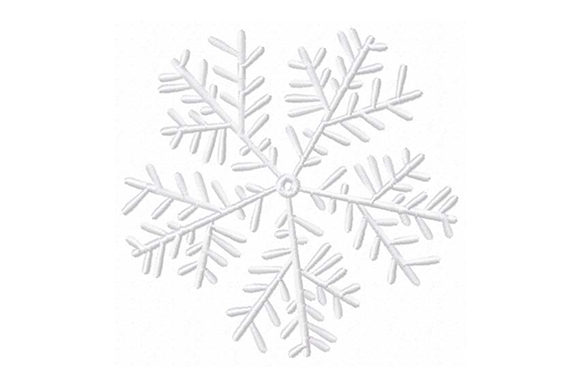
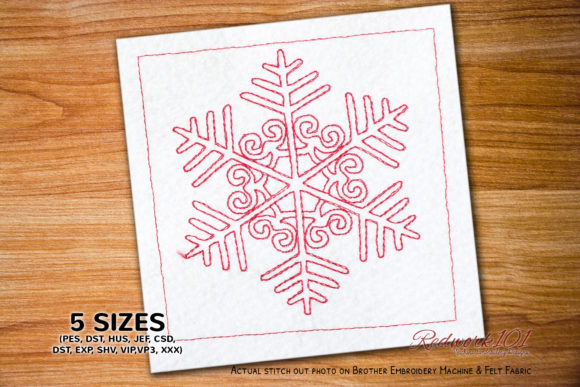
My first impression of the Winter Snowflake is one of classic elegance mixed with structural reliability. The title suggests a seasonal motif, yet the description hints at a modular approach to the stitching, specifically regarding the optional "Box Stitch." This feature immediately signals to me that the designer understands the needs of custom apparel decorators. The ability to skip the outer box color or modify it suggests a file built for adaptability rather than rigid decoration. In the world of small business merch, flexibility is currency. A design that can be stripped down to its core elements allows a florist to use it on a winter tote bag without it screaming "Christmas gift," or a tech startup to use it as a subtle sleeve accent on a staff hoodie.
Evaluating Real-World Application for Brands
When considering where to deploy the Winter Snowflake, I immediately think of its potential as an embroidered patch. Patches are currently a dominant trend in branding because they offer a high perceived value for a relatively low production cost. If a local bakery wants to create limited-edition aprons for their holiday staff, this design works beautifully on the chest pocket. The symmetry of a snowflake provides a balanced look that draws the eye without overwhelming the garment. However, the real test lies in the "Box Stitch" mentioned in the product notes. If utilized, this box acts as a frame, turning the snowflake into a badge or a seal of quality. This is excellent for brand identity, as it creates a contained space that can sit neatly on a cap front or a structured tote bag.
For those running an Etsy shop or a creative studio, consistency is key. Using the Winter Snowflake across different mediums—such as cap embroidery, apron embroidery, and product packaging accents—creates a cohesive visual language. Imagine a pet brand releasing a winter collection; this design could be stitched onto bandanas or collar tags. The description notes that the outer box color is often different unless part of the design itself. This is a crucial detail for commercial embroidery projects where thread inventory must be managed. Being able to skip a color means fewer thread changes and faster production times, which directly impacts profit margins for high-volume orders.
Technical Considerations and Fabric Compatibility
While the aesthetic appeal is strong, a professional review must address the technical execution. The note stating "The Box Stitch shown in picture is optional" is a double-edged sword that requires careful handling. If you choose to include the box, you must be mindful of stitch density. Adding a border around a detailed snowflake increases the number of stitches per square inch. On heavy fabrics like denim or canvas tote bags, this is rarely an issue. However, if you are applying this to a lightweight performance polo or a silky scarf, high density can cause puckering or fabric distortion.
Furthermore, the instruction that "you can skip the color directly" implies that the file layers are likely separated intelligently. This is vital for custom apparel where dark uniforms are common. A white snowflake on a navy blue chef's coat needs high contrast. If the optional box is a light color, it might get lost against a dark background, rendering the framing effect useless. In such cases, I advise skipping the box entirely to let the snowflake stand alone. Always test the design in black and white first on your actual machine. This removes the distraction of thread colors and lets you focus on the integrity of the lines and the spacing between elements.
Another critical factor is the hoop size relative to the intended application. While the specific dimensions are not provided in the brief description, small business owners must verify this before purchasing. If the minimum hoop size is too large, you may be unable to place the design on narrow locations like a sleeve cuff or a visor. Additionally, consider the fabric texture. Snowflakes rely on fine details to mimic ice crystals. If stitched on a highly textured towel or a fuzzy fleece, those fine details may merge together. For these surfaces, a version of the design with slightly wider spacing between the arms of the snowflake would be preferable, though you may need to consult the digitizer for such modifications.
Impact on Customer Trust and Product Value
The choice of embroidery design directly influences how customers perceive a brand. A sloppy or poorly chosen design can make a handmade product feel cheap, whereas a crisp, well-executed motif like the Winter Snowflake elevates the finished product. When a customer sees a precise, clean snowflake on a tote bag or a uniform, it subconsciously communicates attention to detail. It tells them that the business cares about quality. This is particularly important for service-based businesses like cafes or salons, where staff uniforms are a walking billboard for the company.
Using this design as a seasonal accent can also drive buyer engagement. Limited-run merchandise featuring the Winter Snowflake can create a sense of urgency and exclusivity. For example, a bookstore could offer a free embroidered patch with every purchase over a certain amount during December. This not only moves inventory but also turns customers into brand ambassadors when they attach that patch to their own jackets or bags. The "optional box" feature allows the business to tailor the look to match their specific logo colors, ensuring visual consistency even with a pre-made design asset.
Final Professional Recommendations
Before integrating the Winter Snowflake into your production line, there are several practical steps you must take. First, create a printable mockup for client approval. Visualizing the design on the actual garment helps manage expectations regarding size and placement. Second, confirm the commercial licensing terms. Just because a file is available for purchase does not automatically grant the right to sell finished goods made with it, especially for large-scale commercial embroidery runs. Always read the license agreement included with the embroidery file.
Third, pay close attention to the stabilizer. Snowflake designs often have many jump stitches or intricate turns. Using the wrong stabilizer can lead to shifting or bird-nesting on the back of the garment. For caps and curved surfaces, a cut-away stabilizer is usually safer than tear-away to maintain the shape of the design over time and multiple washes. Finally, compare this design beside your other design assets. Does the style of the snowflake match your existing logo? If your brand is ultra-modern and geometric, a traditional snowflake might clash unless stylized correctly.
In conclusion, the Winter Snowflake offers a solid foundation for small business merchandise, provided the user respects the technical nuances of the optional box stitch and fabric selection. It is a versatile tool that, when used with intention, can enhance brand identity and add a touch of seasonal warmth to any product line. Whether used for a simple tote bag design or a complex uniform overhaul, this file represents the kind of adaptable digital asset that smart entrepreneurs look for to expand their offerings without reinventing the wheel.