Bible and Candle Redwork Design Review
As an embroidery designer who has spent years digitizing and testing files for small business merchandise, I approach every new machine embroidery design with a critical eye. It is not just about whether the image looks cute on a screen; it is about how that digital embroidery file translates into a tangible asset for a brand. Today, I am reviewing the Bible and Candle Redwork Design. This piece stands out immediately because of its potential application in branded patches, staff uniforms, and boutique product labels. While categorized under Christmas, the imagery possesses a timeless quality that extends far beyond seasonal decor, making it a versatile candidate for year-round commercial embroidery projects.
First Impressions and Visual Personality
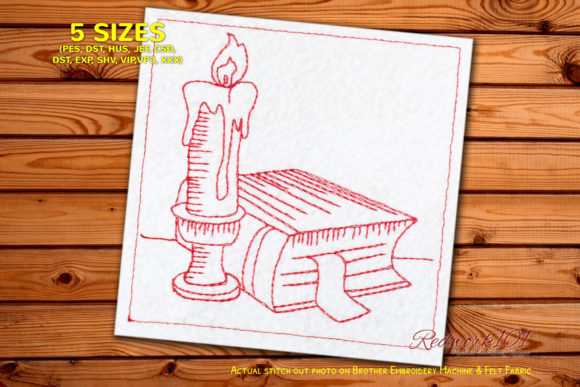
Upon loading the preview of the Bible and Candle Redwork Design, the immediate impression is one of rustic elegance and handmade warmth. The redwork style, characterized by single-color outlining, inherently suggests a classic, vintage aesthetic. For a small business owner, this visual language communicates authenticity. It feels less like a mass-produced logo and more like a seal of craftsmanship. The combination of the Bible and the candle evokes themes of guidance, faith, and warmth, which are powerful emotional triggers for customers. Whether you are running a Christian bookstore, a cozy café, a florist, or a creative studio, this design offers a "friendly yet premium" vibe. It avoids being overly playful or cartoonish, instead leaning into a sophisticated, traditional look that builds brand identity through subtlety and grace.
Real-World Business Applications
The true test of any embroidery file is its versatility across different products. Here is how I see the Bible and Candle Redwork Design performing in real business scenarios:
- Embroidered Patches: This is arguably the strongest use case. The clean lines of redwork translate beautifully into a woven or embroidered patch. A local church, a faith-based nonprofit, or a boutique could use this as a chest logo accent on denim jackets or canvas totes. The optional box stitch mentioned in the description allows for customization; you can frame the design for a structured badge look or leave it open for a softer, floating effect.
- Staff Uniforms and Aprons: For bakeries, cafes, or craft studios, apron embroidery is a fantastic way to elevate the customer experience. Placing this design on the bib of a linen apron adds a touch of heritage and care. It tells the customer that the person serving them values tradition and quality.
- Cap Embroidery: The simplicity of the outline makes it suitable for cap embroidery, provided the details are not too fine. It would work well on the side panel of a dad hat or the back of a baseball cap, offering a understated branding element that doesn't overwhelm the wearer.
- Tote Bag Design: Canvas tote bags are a staple for small business merch. The high contrast of redwork against natural or dark canvas creates a striking finished product. It serves as an excellent walking advertisement for your brand.
- Customer Gifts and Event Merch: During the holiday season, this design fits perfectly into gift-with-purchase strategies. It can be applied to handkerchiefs, pillowcases, or limited edition apparel, adding perceived value to the transaction.
Critical Considerations for Production
While the aesthetic appeal is high, a professional reviewer must address the technical challenges. The description notes that "The Box Stitch shown in picture is optional" and that outer box colors may vary. This flexibility is a double-edged sword. If you skip the box color to save time or thread, you must ensure the remaining elements hold together visually. Furthermore, redwork relies heavily on line integrity. When scaling this design down for a small patch or a sleeve detail, you risk losing definition if the stitch density is too low or if the fabric texture interferes with the stitches.
You must exercise caution when applying this to textured fabrics like heavy wool or pique knit. The single-run nature of redwork means there is no fill to hide gaps caused by uneven fabric surfaces. Additionally, for items that require frequent washing, such as staff shirts or aprons, ensure the thread colors used have high colorfastness. Since redwork often uses a single dominant color, any fading will be immediately noticeable and could degrade the professional look of your custom apparel.
Impact on Brand Identity and Trust
In the crowded marketplace of Etsy sellers and handmade brands, visual consistency is key. Using a cohesive design like the Bible and Candle Redwork Design across various touchpoints—from packaging accents to employee uniforms—reinforces recognition. It signals to the buyer that attention to detail matters. A well-executed embroidered mark increases the perceived value of a product, allowing businesses to command higher price points. It transforms a simple commodity into a curated item with a story. For faith-based organizations or businesses rooted in community values, this specific imagery fosters an instant connection and trust with the target demographic.
Practical Designer Notes for Implementation
Before you commit to a large production run, follow these essential steps to ensure quality control:
- Test in Black and White First: Convert your printable mockup to grayscale. This helps you verify that the contrast between the design and the fabric will be sufficient without relying on color psychology.
- Check Small Patch Viability: Stitch a sample at the smallest intended size. Ensure the fine lines of the candle flame and book pages do not merge or break.
- Review Thread Color Contrast: Even though it is redwork, the shade of red (or whatever color you choose) must pop against the garment. Test on both light and dark fabrics.
- Inspect Spacing and Hoop Size: Confirm the hoop size required fits your machine and the garment area. Tight spacing in redwork can cause bird-nesting if not digitized with proper pull compensation.
- Use Proper Stabilizer: Because redwork has less coverage than fill designs, the choice of stabilizer is critical to prevent puckering, especially on stretchy fabrics.
- Create a Client Mockup: Always present a realistic mockup to your client or team before stitching. Compare it beside other design assets to ensure it fits the overall brand aesthetic.
- Confirm Commercial Licensing: The product description mentions optional elements but does not explicitly state license terms. Always verify that the digital embroidery file includes a commercial license before using it for goods you intend to sell.
In conclusion, the Bible and Candle Redwork Design is a robust choice for businesses looking to add a layer of meaning and craftsmanship to their merchandise. Its adaptability across patches, apparel, and accessories makes it a valuable addition to any embroidery library. However, success lies in the execution. By respecting the limitations of the redwork style and carefully managing fabric choices and stabilization, you can create stunning, professional-grade products that resonate with your customers long after the holiday season has passed.