Bird Applique Pattern Review for Business Merch
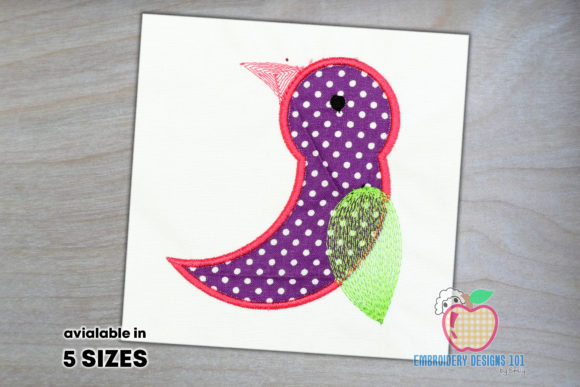
As an embroidery designer who has spent years digitizing and testing files for commercial use, I approach every new machine embroidery design with a critical eye. It is not just about whether a bird looks cute; it is about whether that bird can survive the industrial wash cycle of a staff uniform or hold its own as a premium embroidered patch on a retail tote. Today, I am reviewing the Design of Bird As the Applique Pattern. Based on the product description, which highlights multiple file formats and color-separated steps, this asset holds significant potential for small business owners looking to elevate their brand identity.
My first impression of the Design of Bird As the Applique Pattern is that it leans heavily into a handmade, rustic aesthetic. Applique work inherently brings a texture and depth that flat stitching cannot match, making it feel premium and tactile. For a boutique, a local bakery, or a florist, this "crafted" look is invaluable. It signals to the customer that the merchandise they are holding was made with care, rather than mass-produced in a generic factory. The separation of steps by color changes suggests a well-structured digital embroidery file, which is crucial for efficiency when running multiple units for a large order.
Real-World Application for Small Business Merch
When evaluating this design for commercial purposes, versatility is key. The Design of Bird As the Applique Pattern shines brightest when used as a focal point on specific items. Imagine a coffee shop wanting to sell branded merchandise; this bird motif would work exceptionally well as a chest logo accent on a denim apron. The layers of fabric in the applique add a sophisticated touch that elevates the perceived value of the uniform.
For Etsy sellers and crafters, this design is a goldmine for creating handmade product lines. It can be easily adapted for tote bags, where the sturdy canvas fabric provides the perfect foundation for the heavier stitch count of an applique. Furthermore, because the steps are separated by color, a designer can easily swap thread colors to match a client's specific brand palette without re-digitizing the entire file. This flexibility makes it ideal for custom apparel orders where consistency across different garment colors is required.
I also see strong potential for this design in the realm of cap embroidery. While caps are tricky due to their curved surface, a simplified version of this bird applique could serve as a striking side-panel detail or a front-center logo for a pet brand or outdoor adventure company. The key here is the visual weight; the applique technique ensures the design remains visible and legible even from a distance, enhancing customer trust and recognition.
Technical Considerations and Placement Strategy
However, no design is without its challenges, and professional decorators must proceed with caution. When using the Design of Bird As the Applique Pattern on small patches, one must be wary of the stitch density. Applique involves multiple layers: the base fabric, the tack-down stitch, the cover stitch, and often a satin border. If the design is scaled down too small for a tiny lapel pin or a narrow sleeve strip, these layers can bunch up, causing puckering and losing detail.
Curved surfaces present another hurdle. If you are applying this to a structured cap or a rounded pouch, the rigidity of the applique layers might resist the curve, leading to gaps between the design and the fabric texture. It is essential to test the design on a scrap piece of the actual material intended for production. Dark uniforms also require attention; while the description mentions multiple formats, you must ensure the provided thread colors offer enough contrast against navy or black garments, or be prepared to manually adjust the color sequence in your embroidery software.
Additionally, items that undergo frequent washing, such as restaurant aprons or gym shirts, need robust stabilization. The cut edges of the applique fabric must be completely covered by the satin stitch to prevent fraying after twenty wash cycles. If the digitizing is too loose, the edges will unravel, ruining the professional look of the finished product.
Impact on Brand Identity and Value
In the competitive landscape of small business merch, visual consistency is everything. Using a cohesive element like the Design of Bird As the Applique Pattern across various touchpoints—from hang tags to tote bags—creates a unified brand story. It transforms a simple transaction into an experience. When a customer receives a package adorned with a high-quality embroidered bird, it reinforces the idea of quality and attention to detail.
This design helps bridge the gap between digital branding and physical goods. For a creative studio, having a tangible, textured logo on their packaging materials increases buyer engagement. It makes the unboxing experience memorable. Moreover, because applique mimics the look of a woven patch but is stitched directly onto the garment, it offers a custom, high-end feel that generic heat transfers simply cannot achieve. This directly impacts product value, allowing businesses to justify higher price points for their branded goods.
Essential Designer Notes for Production
Before committing to a full production run of the Design of Bird As the Applique Pattern, I strongly advise following a strict testing protocol. First, run a test stitch-out in black and white or grayscale. This removes the distraction of color and allows you to inspect the spacing and density of the stitches purely on form. Check if the design holds up at the smallest size you intend to use; if the details blur together, you may need to simplify the inner elements.
Always confirm the hoop size compatibility with your specific machine setup. While the product description states it comes with multiple formats, verifying that the design fits within your standard hoop without requiring a re-hoop mid-process saves valuable time. Equally important is the selection of the proper stabilizer. For applique, a cut-away stabilizer is often superior to tear-away, as it provides lasting support for the added weight of the fabric layers.
Create a printable mockup for client approval before stitching a single thread on the final garment. This visual aid helps manage expectations regarding size and placement. Finally, and perhaps most critically, review the licensing terms. The description notes it can be used in multiple machines, but you must confirm commercial embroidery rights explicitly. Ensure you are cleared to use these design assets for resale items, especially if you are producing hundreds of units for a corporate client.
In conclusion, the Design of Bird As the Applique Pattern is a robust tool for the modern embroidery professional. It balances aesthetic charm with functional application, provided the user respects the technical limitations of applique work. By carefully managing fabric choices, stabilization, and sizing, this design can become a cornerstone of a small business's merchandise strategy, delivering a finished product that feels both timeless and distinctly branded.