Small and Beautiful House Applique Review
As an embroidery designer who spends hours digitizing and stitching for both personal projects and commercial clients, I am always on the lookout for design assets that balance aesthetic charm with technical reliability. Recently, I evaluated the Small and Beautiful House Applique available on Creative Fabrica to determine if it holds up under the scrutiny of real-world production. Whether you are an Etsy seller looking to expand your home decor line or a crafter creating personalized gifts, understanding how a digital embroidery file translates to a finished product is crucial.
First Impressions and Visual Mood
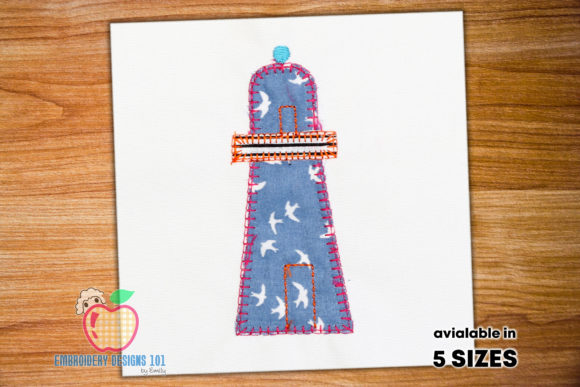
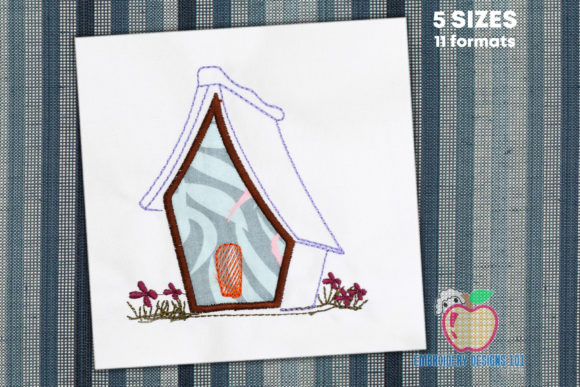
Upon opening the preview files for the Small and Beautiful House Applique, the immediate takeaway is its cozy, storybook aesthetic. The design captures a whimsical mood that feels perfectly suited for nursery decor, kitchen textiles, or autumnal home accents. Unlike some overly complex digitizations that sacrifice clarity for detail, this applique design maintains clean lines and distinct shapes. The separation of steps suggests a thoughtful approach to layering, which is vital for achieving a professional look without excessive thread breaks or trimming headaches.
The visual appeal lies in its simplicity. It does not try to be everything at once; instead, it offers a charming silhouette that works well as a focal point on smaller items. For designers concerned about brand consistency, this type of graphic is versatile enough to fit into various collections, from rustic farmhouse styles to modern minimalist themes, provided the thread colors are chosen wisely.
Performance in Real Embroidery Projects
To truly test the value of this machine embroidery design, I considered how it would perform across a range of popular handmade products. The versatility of the Small and Beautiful House Applique shines when applied to different substrates.
- Tote Bags and Aprons: The design scales well for canvas tote bags and cotton aprons. Its structure holds up nicely against the texture of heavier fabrics, making it an ideal choice for market bags or kitchen gifts.
- Sweatshirts and Custom Apparel: When placed on the chest of a sweatshirt or the hem of a t-shirt, the applique adds a boutique touch. However, care must be taken with stretchy fabrics to ensure the satin stitch borders do not pucker.
- Nursery Decor and Pillow Covers: This is perhaps the strongest use case. The "house" motif is timeless for children's rooms. Stitched onto a linen pillow cover or a baby blanket, it creates an instant heirloom feel.
- Embroidered Patches: Given its defined edges, this design could easily be adapted into a patch by using a tear-away stabilizer and cutting close to the border, offering another revenue stream for craft fair products.
For those selling on platforms like Etsy, the ability to use this design on diverse items increases your inventory potential without needing to purchase multiple distinct files. It serves as a solid foundation for seasonal collections, especially when paired with appropriate thread colors.
Technical Considerations for Production
While the aesthetic is promising, a professional review must address the technical realities of stitching. The description notes that steps are separated, which is excellent for managing applique layers, but several factors require attention before running a full production batch.
Hoop Size and Placement
Since this is categorized as a "small" design, it is likely compatible with standard small hoops. This is advantageous for cap embroidery or placing motifs on narrow items like kitchen towels. However, always confirm the specific hoop size requirements in the product details before hooping your material. Misjudging this can lead to ruined garments and wasted thread.
Fabric and Stabilizer Selection
The success of any applique design depends heavily on the interaction between the fabric and the stabilizer. For textured fabrics like waffle weave towels or thick fleece, a cut-away stabilizer is recommended to support the weight of the applique fabric and the surrounding satin stitch. If you are working with dark fabric, ensure you use a light-colored applique piece or adjust your underlay settings if your machine allows, to prevent the base fabric from showing through gaps in the stitching.
Stitch Density and Detail
Small designs often suffer from dense stitch areas that can cause needle deflection or fabric distortion. It is essential to review the stitch density visually in your embroidery software before loading the file onto your machine. Pay close attention to tiny lettering or minute decorative elements within the house shape; these may need simplification or removal if stitching on plush materials like terry cloth.
Enhancing Product Value and Buyer Trust
In the competitive world of handmade goods, presentation is everything. Using a high-quality design asset like the Small and Beautiful House Applique can significantly elevate the perceived value of your finished product. A clean, well-executed applique signals to the buyer that care was taken in the creation process, fostering trust and encouraging repeat business.
Furthermore, this design lends itself beautifully to product photography. Its clear shapes and potential for colorful thread combinations make it pop in images, which is critical for online sales. Whether you are creating printable mockups for your shop or photographing the actual embroidered patch, the visual consistency of the design helps build a recognizable brand identity.
Practical Notes Before You Stitch
Before committing to a customer order, I strongly advise following these practical steps to ensure the best results:
- Test on Scrap Fabric: Always stitch a sample on the same type of fabric you intend to use for the final product. This reveals issues with tension, density, or registration.
- Check Thread Color Contrast: Ensure your chosen thread colors provide enough contrast against both the applique fabric and the base garment to maintain the design's definition.
- Inspect Small Details: After stitching, examine the small details closely. Look for loose threads or areas where the satin stitch might be too narrow to cover the edge effectively.
- Verify Licensing: While Creative Fabrica generally offers generous licenses for finished products, always read the specific license terms on the product page. Confirm that commercial use is allowed for the items you plan to sell.
- Review File Formats: The product description mentions multiple embroidery file formats. Ensure you download the correct format for your specific machine model to avoid compatibility errors.
In conclusion, the Small and Beautiful House Applique appears to be a versatile and charming addition to any designer's library. Its potential for use in custom apparel, home decor, and gifted items is high, provided that proper technical precautions are taken. By respecting the limitations of small-scale embroidery and selecting the right materials, you can transform this digital file into a delightful physical product that resonates with customers.