Rainbow Sweater: A Pro Review for Small Business Merch
As an embroidery designer who has spent years digitizing and reviewing files for commercial use, I approach every new machine embroidery design with a critical eye. It is not just about whether a pattern looks cute on a screen; it is about how that digital embroidery file translates into a tangible asset for a brand. Today, I am taking a close look at the Rainbow Sweater design. This listing falls under the Awareness category, which immediately suggests potential for cause-driven marketing, pride collections, or simply adding a burst of color to a boutique's lineup. However, before you purchase this embroidery file for your shop, let's break down its viability for real-world business applications.
First Impressions: Visual Personality and Brand Fit
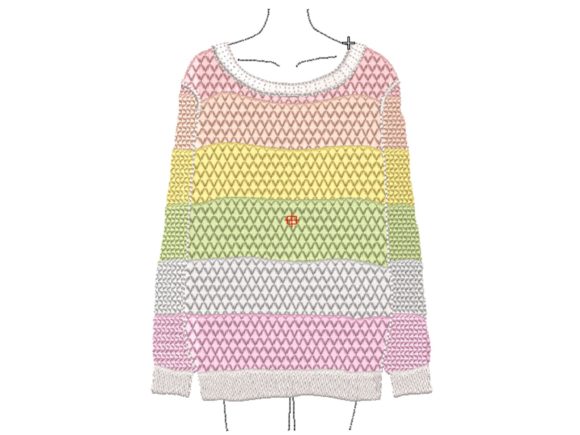
The title Rainbow Sweater evokes a specific feeling before you even see the stitch map. It suggests warmth, comfort, and a handmade aesthetic. In the current market, where consumers crave authenticity, a design that feels "cozy" yet vibrant is a powerful tool. My initial assessment is that this design leans heavily into the handmade product vibe. It is likely playful, bold, and friendly rather than corporate or rigid. For a small business owner, this is excellent news if your brand identity relies on approachability and creativity.
However, professionalism in embroidery comes from execution. A design can be playful without looking amateurish. When evaluating Rainbow Sweater for small business merch, I look for clean lines and thoughtful color transitions. If the digitizer has managed the thread colors well, avoiding muddy blends where the rainbow spectrum meets, this design can elevate a simple garment into a statement piece. It feels modern yet classic enough to avoid looking like a fleeting trend, making it a safe bet for inventory that needs to last more than one season.
Real-World Applications for Commercial Embroidery
The true test of any design is its versatility across different substrates. Here is how I envision Rainbow Sweater performing in various commercial scenarios:
- Embroidered Patches: This is arguably the strongest use case. A rainbow motif works beautifully as a standalone embroided patch that customers can iron or sew onto denim jackets, backpacks, or hats. Patches allow for high stitch density without worrying about fabric distortion, letting the colors pop.
- Staff Uniforms and Aprons: For cafes, bakeries, and florists, apron embroidery is a subtle way to brand staff without being overpowering. Placing this design on the bib of an apron adds a touch of personality that aligns with the "Awareness" category, perhaps signaling support for inclusivity or community joy.
- Cap Embroidery: While possible, placing a sweater motif on a cap requires careful positioning. It would work best as a side-panel detail or a larger front logo on a dad hat style, provided the curvature of the cap doesn't distort the rainbow arcs.
- Tote Bag Design: Canvas totes are staples for craft fairs and retail shops. The texture of canvas handles high-density stitching well. Using Rainbow Sweater here creates an instant finished product that serves as a walking advertisement for your brand.
- Customer Gifts and Event Merch: For workshops or pop-up events, this design makes for an excellent commemorative item. It feels personal and celebratory, enhancing buyer engagement.
Critical Considerations for Production
While the artistic merit of Rainbow Sweater is promising, a professional reviewer must address the technical hurdles. Not every design works everywhere. Here are the areas where you need to exercise caution:
- Small Patch Sizes: If you intend to scale this down for a tiny chest logo or a small label, verify the detail level. Rainbow designs often rely on distinct color blocks. If scaled too small, these blocks may merge, losing the definition of the "sweater" shape.
- Curved Surfaces: As mentioned with caps, curved surfaces can cause registration issues. Ensure your hooping technique is flawless to prevent the design from pulling or puckering.
- Fabric Texture: On highly textured fabrics like thick wool or fleece, fine details might get lost. Conversely, on slippery performance fabrics, the stitch density might be too aggressive, causing the material to pucker. Always test on a scrap piece of your actual production fabric.
- Dark Uniforms: Rainbow designs usually assume a light background. If embroidering on black or navy shirts, check if the design includes a satin border or underlay to prevent the dark fabric from showing through the lighter thread colors.
- Wash Durability: Items like aprons and tote bags undergo frequent washing. Ensure the file uses secure tie-offs and appropriate underlay to withstand industrial laundering without fraying.
Impact on Brand Identity and Customer Trust
In the world of custom apparel, consistency is key to building trust. Using a cohesive set of design assets helps customers recognize your brand instantly. Rainbow Sweater, with its inherent positivity, can soften a brand's image. For a creative studio or a pet brand, it signals that you value joy and community. This emotional connection drives sales. When a customer sees a well-executed embroidered item, they perceive higher value. They are not just buying a shirt; they are buying a piece of art. This perception allows you to command higher price points for your handmade product lines.
Furthermore, leveraging the "Awareness" aspect of this category can align your business with social causes. Whether it is Pride month or a general message of diversity, wearing your values on a sleeve (literally) fosters deep loyalty among like-minded customers.
Practical Notes from the Hoop
Before you run a production batch of Rainbow Sweater, here is my checklist for ensuring quality control:
- Test in Black and White: Convert your preview to grayscale. Does the design still hold its shape? If it relies entirely on color contrast to define the image, it may fail on monochromatic uniforms.
- Check Thread Contrast: Ensure your thread chart matches the vibrancy of the digital mockup. Some rainbow gradients require specific variegated threads or precise color changes to look right.
- Confirm Hoop Size: The product description notes this is a digital file requiring an embroidery machine. It does not specify the hoop size. You must check the file properties upon download to ensure it fits your machine's maximum area, especially if planning large back-of-shirt prints.
- Stabilizer Selection: Given the likely density of a sweater texture, use a cut-away stabilizer for stretchy garments like t-shirts to prevent long-term distortion.
- Create a Printable Mockup: Before stitching, create a printable mockup to show clients. This manages expectations regarding size and placement.
- Verify Licensing: The description states, "This listing includes one design for machine embroidery." It explicitly mentions it is NOT a physical item. Crucially, it cuts off at "And a wa," likely meaning "warranty" or "warning." You must read the full license terms before using this for commercial projects. Confirm that the license allows for unlimited production runs or if there are caps on the number of items you can sell.
In conclusion, Rainbow Sweater appears to be a versatile and emotionally resonant addition to any embroidery library. Whether used for cap embroidery, boutique tags, or statement tees, its success lies in careful technical preparation. By respecting the limitations of the fabric and the capabilities of your machine, you can turn this digital file into a profitable pillar of your small business merchandise strategy.